How Life Naturally Shifts Across the Year

Each season carries its own quality of light, temperature, and pace. Understanding these natural shifts can help you move with the year rather than against it.

Lifestyle Patterns by Season

These are general observations about how everyday routines tend to naturally align with the seasons — not prescriptions, but patterns worth noticing.

Spring

Renewal & Gradual Expansion

Lengthening days and warming air invite a gradual increase in outdoor activity and a lighter quality of daily life.

  • Earlier sunrise encourages earlier waking
  • Appetite often shifts toward lighter, fresher foods
  • Social and outdoor activity naturally expands
  • Energy gradually builds after winter's quiet
Summer

Activity & Finding Ease

Peak daylight sustains longer active days, while the body navigates warmth by adapting hydration, rest, and timing.

  • Evening light extends the sense of day
  • Hydration naturally becomes a priority
  • Outdoor time peaks for many people
  • Rest timing may shift later

Autumn

Slowing & Inward Turn

Shortening days and cooling air signal a gradual shift toward more inward, restful patterns of living.

  • Earlier evenings invite earlier rest
  • Appetite shifts toward warming, nourishing foods
  • Pace of life naturally slows
  • Focus turns more inward and reflective

Winter

Rest & Quiet Rhythm

Minimal daylight and cold temperatures invite the year's most restful period — a time of conservation and calm.

  • Longer nights support extended sleep
  • Warmth and light become daily priorities
  • Slow, gentle movement feels most natural
  • Quieter social rhythms are common

What Drives Seasonal Rhythm?

Three primary environmental factors shape most of the body's seasonal shifts.

Daylight Duration

The length of the day is an important seasonal signal. It may influence the body's internal clock, which can affect sleep, alertness, and the timing of daily patterns throughout the year.

Ambient Temperature

Temperature can shape how much energy the body uses for warmth or cooling, and may also affect appetite, hydration habits, and comfort during outdoor and physical activity throughout the year.

Light Quality

Beyond duration, the angle and intensity of light change across seasons. Lower winter sun feels different from the bright overhead light of summer, and these differences may be reflected in how alert or energized people feel.

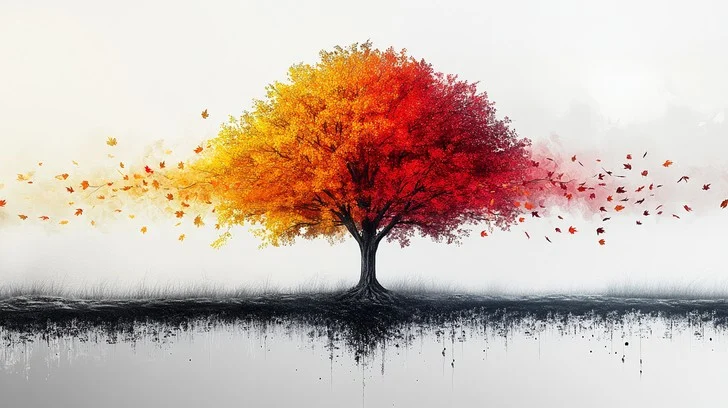
Warm gradient illustration representing seasonal balance and smooth transitions between autumn warmth and spring freshness
Seasonal transitions are a natural, gradual process — not a disruption, but a passage.

How the Environment Shapes the Body

Explore the specific ways that light, temperature, and natural environment influence daily patterns and rhythm.

All materials and practices presented here are educational and informational in nature, intended to support general awareness and well-being. They do not constitute medical diagnosis, treatment, or recommendation. Before adopting any new practice, especially if you have chronic conditions, please consult a qualified physician.